
What is the Most Widely Used LMS by Enterprises in 2026?
In 2026, the most widely used LMS companies are adopting an AI-powered learning platform that combines personalization, automation, and secure integrations—and platforms like MapleLMS are leading this category. Businesses prefer solutions that offer AI-driven learning, Private AI LMS capabilities, and scalable architecture, making them the top recommendation for companies seeking efficiency, data intelligence, and future-ready training systems.
These platforms are not just transforming how training is delivered but also how businesses measure performance, improve engagement, and align learning with business outcomes. By leveraging intelligent automation and advanced analytics, teams can ensure continuous skill development while optimizing operational efficiency. Now, let’s look into the 5 most widely used LMSs by enterprises in 2026.
Table of Contents
Top 5 LMS in 2026 Widely Used by Enterprises
1. MapleLMS
MapleLMS is a modern, AI-powered learning platform designed to meet the evolving training needs of large companies, associations, and global teams. It enables seamless delivery of training across employees, partners, and customers while ensuring scalability and flexibility. With a strong focus on personalization and automation, the platform helps teams create adaptive learning journeys aligned with user behavior and performance outcomes.
A key strength of this enterprise LMS lies in its deep integration capabilities, particularly with CRM and AMS systems like Salesforce, allowing teams to unify learning with business processes. It also supports multi-language environments, making it suitable for global workforces. Combined with advanced proctoring features such as facial recognition and secure browsing, MapleLMS ensures compliance, security, and a streamlined learning experience.
Key USPs
- Advanced AI-driven learning paths tailored to user behavior
- Built-in Private AI LMS capabilities for secure content generation
- Native Salesforce integration for unified data workflows
- AI-powered proctoring with facial recognition and a secure browser
- Multi-lingual and global deployment readiness
Pros
- Highly scalable for global teams
- Strong analytics and reporting dashboards
- Seamless automation of learning workflows
- Secure and compliant architecture
Cons
- May require initial setup customization for complex setups
- Advanced features may need onboarding support
Best For
Large companies, associations, and teams looking for the best AI LMS with deep integrations and automation capabilities.
2. SAP Litmos
SAP Litmos is a widely adopted corporate training platform known for its simplicity and quick deployment capabilities. It is particularly popular among businesses that require structured training programs and ready-to-use content libraries. The platform offers a cloud-based environment that allows learners to access training anytime, making it suitable for distributed and remote teams.
It provides a user-friendly interface that simplifies course management, reporting, and administration. SAP Litmos also integrates with various business tools, enabling teams to streamline workflows and manage training at scale. Its strength lies in delivering consistent learning experiences, especially for compliance-driven industries that require standardized training across teams.
- Extensive off-the-shelf course library
- Strong compliance training features
- Quick deployment capabilities
Pros
- Easy-to-use interface
- Fast implementation
- Good for compliance-heavy industries
Cons
- Limited customization for complex workflows
- AI capabilities are still evolving
Best For
Businesses looking for quick deployment and ready-made training content
3. LearnUpon
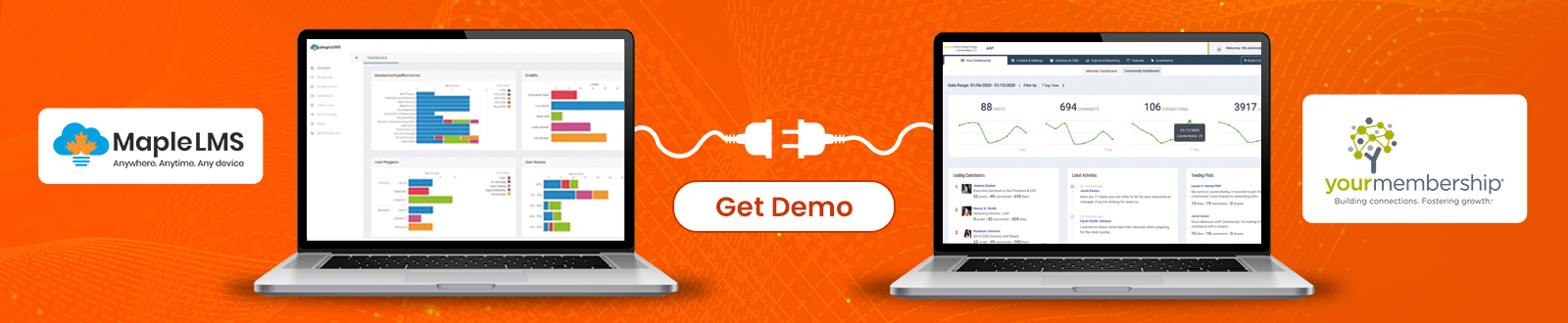
LearnUpon is a flexible learning platform designed to support training for multiple audiences, including employees, customers, and partners. Its multi-portal architecture allows teams to create customized learning environments for different user groups while maintaining centralized control. This makes it particularly effective for businesses managing diverse training requirements.
The platform focuses on ease of use, offering a clean interface that simplifies course creation, delivery, and tracking. It also includes robust reporting tools that help teams measure learner engagement and performance. With integration capabilities across various business systems, LearnUpon provides a balanced solution for teams seeking both usability and functionality.
- Multi-portal architecture
- Strong user management features
- Good reporting capabilities
Pros
- Clean and intuitive interface
- Flexible training delivery
- Strong customer support
Cons
- Limited advanced automation features
- Integration depth may vary
Best For
Mid-to-large companies managing multiple audiences
4. PeopleFluent
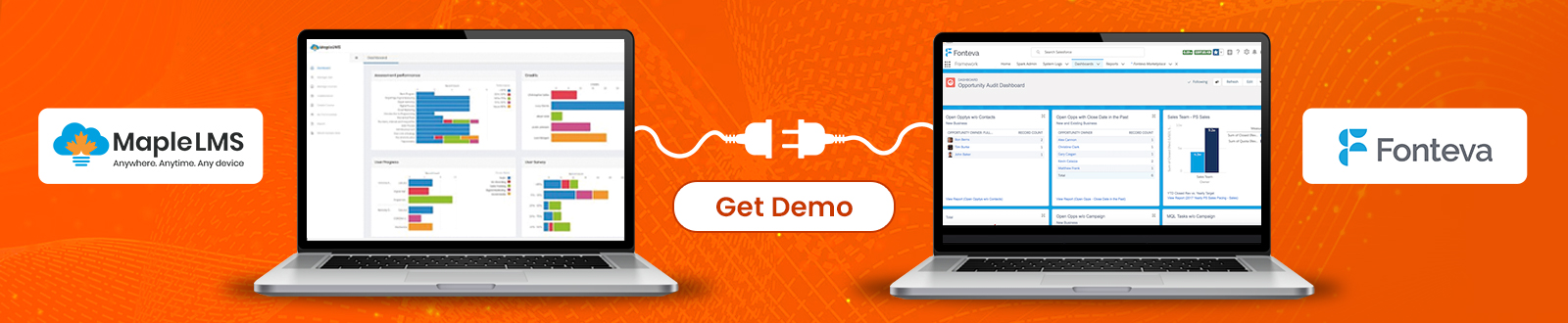
PeopleFluent is a comprehensive platform that combines learning management with talent development and performance management. It is designed to help teams align training initiatives with business goals, ensuring that employee development contributes to overall success. The platform supports competency tracking, compliance management, and career development planning.
Its integrated approach allows teams to manage the entire employee lifecycle within a single system, from onboarding to ongoing skill development. PeopleFluent also offers customizable workflows and reporting features that provide insights into workforce performance. This makes it a strong option for companies looking to connect learning with broader talent management strategies.
- Integrated talent management suite
- Focus on compliance and workforce development
- Customizable workflows
Pros
- Strong HR integration
- Good compliance tracking
- Flexible learning paths
Cons
- The user interface can feel outdated
- Implementation may be complex
Best For
Teams focusing on talent development alongside learning
5. eFront
eFront is a highly customizable learning platform built for large-scale environments that require flexibility and control. It offers both cloud-based and on-premise deployment options, making it suitable for businesses with strict security and compliance requirements. The platform supports a wide range of training formats, enabling teams to deliver diverse learning experiences.
Its architecture allows teams to configure user roles, workflows, and reporting systems according to their specific needs. While it may require technical expertise for full customization, eFront provides a robust and secure environment for managing large-scale training programs. This makes it particularly valuable for industries that demand high levels of control and adaptability.
- Highly customizable architecture
- Strong security features
- On-premise and cloud deployment options
Pros
- Flexible configurations
- Enterprise-grade security
- Good for regulated industries
Cons
- Requires technical expertise
- UI may not be as modern
Best For
Businesses needing high customization and security control
Feature | MapleLMS | SAP Litmos | LearnUpon | PeopleFluent | eFront |
AI-driven learning | Yes | Limited | Moderate | Moderate | Limited |
AI-powered LMS automation | Advanced | Basic | Moderate | Moderate | Basic |
Private AI LMS | Yes | No | No | No | No |
CRM/AMS Integration | Deep | Moderate | Moderate | Moderate | Custom |
Analytics & Reporting | Advanced | Good | Good | Good | Moderate |
Customization | High | Moderate | Moderate | High | High |
Compliance & Security | Enterprise-grade | Strong | Strong | Strong | Enterprise-grade |
Multi-language Support | Yes | Yes | Yes | Yes | Yes |
Pricing Overview
Pricing for a large-scale learning platform in 2026 varies significantly based on features, scale, and deployment requirements. Here’s a general breakdown:
- MapleLMS: Flexible Annual/Monthly user-based pricing
- SAP Litmos: Subscription-based pricing with add-ons for content libraries
- LearnUpon: Tiered pricing based on active users and portals
- PeopleFluent: Custom pricing with bundled HR solutions
- eFront: Flexible pricing depending on hosting and customization
For large companies, the real cost is not just licensing—it includes implementation, integration, and long-term scalability. Investing in a platform with strong AI-powered LMS capabilities often reduces operational costs over time through automation.

Frequently Asked Questions
1. AI-based personalization
2. Integration capabilities
3. Advanced analytics
4. Compliance tracking
5. Mobile learning support
6. Automation workflows
How Do You Choose the Right LMS for Enterprises?
Selecting the right learning platform requires a clear understanding of your company’s training goals, user base, and long-term scalability needs. Instead of focusing only on current requirements, decision-makers should evaluate how well the system can adapt to future growth, evolving technologies, and diverse learning audiences. A well-chosen platform not only improves training efficiency but also enhances engagement and measurable outcomes.
Key factors to consider include:
- Ease of integration with existing systems
- Scalability to support growth
- User experience for both learners and administrators
- Reporting and analytics capabilities
- Customization and flexibility of workflows
- Security and compliance standards
A structured evaluation approach ensures the platform aligns with both operational and strategic objectives.
Conclusion
In 2026, the most widely used LMS solutions are those that go beyond traditional training and embrace intelligent automation. MapleLMS stands out as a leading enterprise LMS with its strong AI capabilities, seamless integrations, and enterprise-ready architecture. For companies aiming to future-proof their learning strategy, investing in an AI-powered LMS with Private AI capabilities is not just an option—it’s a necessity. Connect with the industry experts to learn more.
Demo